

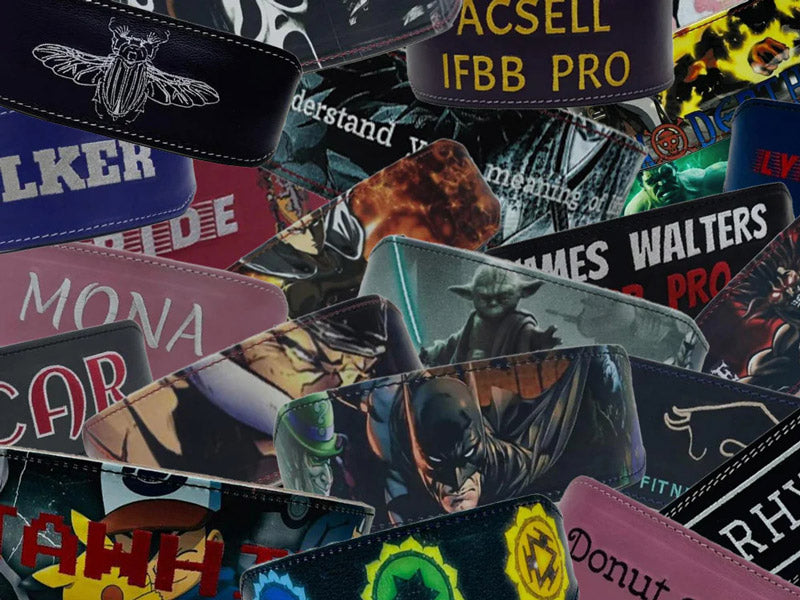

3 Inch Lifting Belts
3-inch powerlifting belts offer firm, reliable support in a slimmer profile—ideal for lifters who prefer more mobility without sacrificing stability. Our 3-inch powerlifting belt collection at Gunsmith Fitness features high-quality 10mm and 13mm vegetable-tanned leather belts designed to help you lift heavier with greater safety and control—offering excellent value for serious strength training.
Why Choose a 3-inch 10mm Weightlifting Belt?
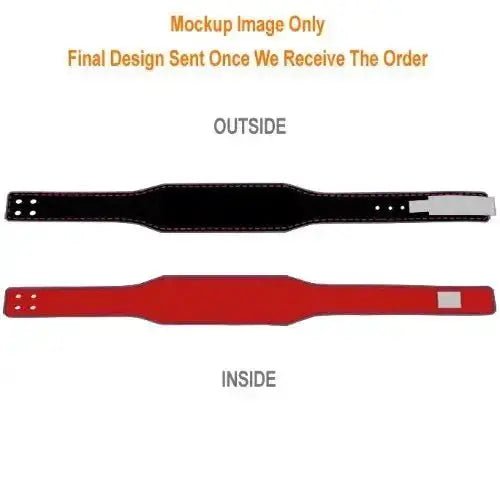
A 3-inch weightlifting belt is the perfect choice for women, athletes with shorter torsos, or anyone who finds 4-inch gym belts too restrictive. The narrower width makes it comfortable while providing excellent support to your waist, rib cage, and hip bones. If you’re looking for a more compact option without sacrificing support, our small lifting belts provide a tailored fit ideal for lifters with smaller frames.
Types of 3 Inch Weightlifting Belts
Our collection of 3-inch weightlifting belts includes options for every type of lifter – powerlifters, weightlifters, or a bodybuilder. Let’s explore the different styles:
3-Inch Leather Weightlifting Belt
The 3-inch wide leather belt is a classic choice for lifters who demand high-quality materials and unbeatable durability. Perfect for heavy squats, deadlifts, and other high-pressure lifts.
-
Why Leather? We use vegetable-tanned leather that is not only sturdy but also becomes more pliable over time, giving you a personalised fit.
-
Key Features: Made with vegetable-tanned leather and reinforced roller buckle to increase intra-abdominal pressure for better performance.
For those requiring extended coverage during heavy lifts, our 60-inch weight lifting belts deliver superior stability and enhanced support.
3-Inch Lever Lifting Belt
The 3-inch lever belt delivers unparalleled support and convenience for lifters who want a fast, easily adjustable secure training belt. The lever buckle allows quick and easy removal between sets, so that you can transition effortlessly during your workout.
-
Why Choose a Lever Belt? The lever mechanism locks the belt firmly providing consistent pressure throughout your workout.
-
Key Features: 10mm lever, premium leather construction, and adjustable fit for lifters of all sizes.
Prong Weightlifting Belt
The 3-inch prong belt is the way to go if you prefer simplicity and a reliable support during high-intensity lifts like bench presses and squats. It’s easy to adjust and provides a snug fit around the waist.
-
Why Prong? This belt offers a traditional style with a secure fit that stays put during heavy lifts. It comes in single and double buckles.
-
Key Features: A heavy-duty buckle, durable leather, and a comfortable design for strength training and everyday workouts.
Athletes with larger builds can benefit from our robust 2xl weight lifting belts that offer extra reinforcement for peak performance.
How to Select the Best 3-Inch Weightlifting Belt
Choosing the right belt is crucial for achieving your lifting goals. Here’s how to find the perfect match:
-
Decide on a Fastening Style. For quick adjustments, go for a lever belt or velcro belt.A single-prong or double-prong belt is a reliable option if you prefer a traditional fit.
-
Choose belts made from vegetable-tanned leather for durability and a comfortable break-in period.
-
Ensure the belt width suits your needs. A 3-inch width is perfect for lifters with shorter torsos.
Choose The Right Powerlifting Belt – Handmade in UK
A 3-inch weightlifting belt isn’t just a piece of gear—it’s your partner in achieving new personal bests. Whether you’re a beginner or a seasoned athlete, our belts are made to provide the support, stability, and comfort you need to succeed. Here’s what makes them stand out:
-
High-Quality Materials: From vegetable-tanned leather to premium suede, our belts are built to last.
-
Custom Fit: We provide a diverse selection of styles, including 3-inch lever belts and single-prong options, built to support different lifting styles and body types.
-
Trusted by Athletes: Ideal for bodybuilding, powerlifting, and Olympic lifting, these belts provide the support you need to push limits and perform with confidence.
-
Warranty Included: Our belts come with a lifetime warranty!
Need help?
Frequently Asked Questions
Weightlifting belts enhance intra-abdominal pressure, providing lumbar support and spine stabilization during heavy lifts like squats and deadlifts. This support helps maintain proper lifting form and reduces the risk of injury.
Consider factors such as belt material (leather or nylon), thickness, width, and closure type (lever or prong buckle). Your lifting style and personal comfort preferences should guide your choice.
Use a belt during heavy compound lifts like squats, deadlifts, and overhead presses, especially when lifting near your maximum capacity. For lighter lifts and accessory exercises, it's beneficial to train without a belt to develop natural core strength.
Over-reliance on a belt can lead to decreased core muscle engagement. It's important to balance belt use with exercises that strengthen your core independently.
Yes, most powerlifting and weightlifting competitions permit belts, but they must meet specific regulations regarding width, thickness, and material. Always check the rules of your specific federation.
The belt should be snug but not restrictive, allowing you to brace your core effectively without impeding breathing or movement.
Lever belts offer quick adjustments and a consistent fit, while prong buckle belts provide more flexibility in tightness adjustments. Your choice depends on personal preference and lifting requirements.
Beginners can use belts, but it's crucial to first develop proper lifting techniques and core strength. A belt should complement, not replace, good form.
For leather belts, wipe with a damp cloth and use leather conditioner periodically. Nylon belts can often be hand-washed with mild soap and air-dried. Always follow the manufacturer's care instructions.
While belts provide support and can reduce the risk of certain injuries, they are not foolproof. Proper technique, appropriate weight selection, and overall conditioning are essential for injury prevention.