


Small Lifting Belts
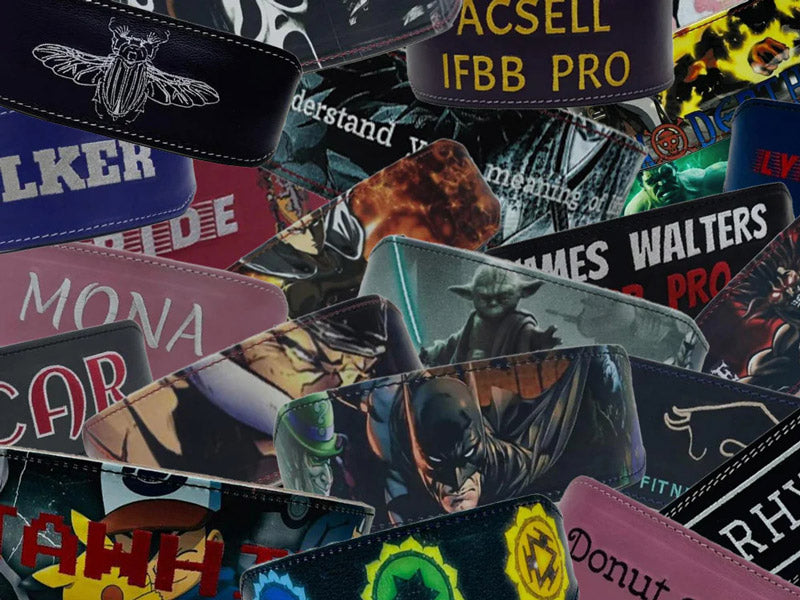
Small weightlifting belt options from Gunsmith Fitness are built to deliver the same high-level support and comfort as our larger sizes—perfect for lifters who need a more tailored fit. Engineered for strength and stability, these belts help you lift heavier with confidence. Whether you're prepping for squats, deadlifts, or functional fitness workouts, our belts provide the core support you need to perform at your best.
Why Choose a Weightlifting Belt for a Small Waist?
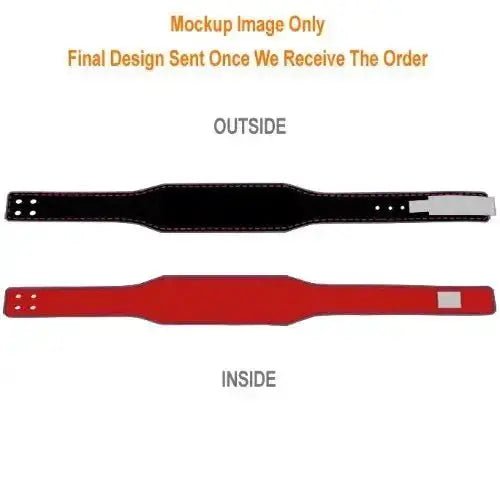
A small weightlifting belt isn't just for athletes with smaller frames—it's for anyone who wants a compact, ergonomically designed option that offers maximum back support without feeling bulky.
Our weightlifting belts come in different varieties, including nylon, leather, and neoprene back support, to ensure you get the support and comfort you need, whether you're hitting the gym or training for a powerlifting/strongman event.
Each belt is crafted for long-lasting performance, using high-quality leather, nylon, and other durable materials built to endure even the most demanding strength training sessions. For those seeking elite performance, our premium lifting belts are engineered with top-grade materials to deliver exceptional durability and support
Types of Small Weightlifting Belts
Our collection includes a variety of belts to suit every weightlifter's needs. Check out these categories to find your perfect belt:
1. Nylon Training Belts (With Neoprene Back Support)
Our nylon belts are excellent for lifters prioritizing flexibility, mobility, and a quick fit. With a velcro closure, you can easily place the belt around your waist and fasten it securely. Perfect for high-rep training, CrossFit, and functional fitness.
2. Leather Lifting Belts
Our leather belts are made for you if you’re lifting seriously heavy weights. Each belt is meticulously handcrafted from premium-grade leather, offering dependable core stability and support during squats, powerlifting, bodybuilding, and other high-intensity strength training exercises.
For those seeking the ultimate in secure support, our xxl weight lifting belts combine advanced construction with an extra-large fit for enhanced performance.
3. Lever Buckle Lifting Belts
Our lever belts feature a stainless steel quick-release lever buckle lever with striking designs for easy, secure fit. With this, expect exceptional spinal support while protecting your spine during weightlifting. The lever belts are available in 13mm single and 10mm lever options. For lifters who benefit from a broader support surface, our 3 inch lifting belts provide a wider profile for superior core stability.”
4. Single and Double Prong Lifting Belts
Our single-prong and double-prong buckle designs offer a secure fit for lifters who need both comfort and control. The belts provide fine-tuned adjustments for easy fitting around your waist.
While these small weightlifting belts are ideal for a compact fit, our 2xl weight lifting belts offer additional support for lifters with larger builds.
5. Velcro Closure Belts
Velcro closure belts are easy to adjust on the fly, and this makes them perfect for workouts with varying intensity levels. They are made with lightweight materials yet strong enough to increase intra-abdominal pressure during lifts.
If you require extra length for enhanced coverage during lifts, consider our 60 inch weight lifting belts which offer extended support without compromising stability.
How to Choose the Right Weight lifting Belt for You
Finding your perfect belt doesn't have to be complicated. Here's how to make the best choice:
-
Match the Belt to Your Goals. If you're into powerlifting and strongman, opt for a 10mm thick lever belt or a 13mm single prong for maximum support during heavy lifts. A nylon training belt is a versatile option for casual gym sessions or functional fitness.
-
A belt should support and not distract you. For added comfort, look for designs with contoured leather or padded neoprene.
-
Check the Closure. For convenience, choose a quick-release lever belt or Velcro. For precision, go for a double-prong buckle or single-prong design.
-
Examine the belt's durability. All our belts feature heavy-duty stitching, embroidery options like camo and black belts, and logos to add style.
For lifters who demand even more robust reinforcement, our 3xl weight lifting belts are designed to deliver maximum support during heavy lifts. Or when training at extreme intensities, our 5xl weight lifting belts provide unparalleled reinforcement for your most demanding workouts
Ready to Lift Like a Pro?
Your performance deserves nothing less than the best, and at Gunsmith Fitness, we deliver just that. Every weightlifting belt in our collection is crafted to help you break barriers, push limits, and achieve your goals with unmatched confidence. Whether you need a small buckle belt, a prong belt, or a dipping belt, we've got the perfect match for your strength journey.
Need help?
Frequently Asked Questions
Weightlifting belts enhance intra-abdominal pressure, providing lumbar support and spine stabilization during heavy lifts like squats and deadlifts. This support helps maintain proper lifting form and reduces the risk of injury.
Consider factors such as belt material (leather or nylon), thickness, width, and closure type (lever or prong buckle). Your lifting style and personal comfort preferences should guide your choice.
Use a belt during heavy compound lifts like squats, deadlifts, and overhead presses, especially when lifting near your maximum capacity. For lighter lifts and accessory exercises, it's beneficial to train without a belt to develop natural core strength.
Over-reliance on a belt can lead to decreased core muscle engagement. It's important to balance belt use with exercises that strengthen your core independently.
Yes, most powerlifting and weightlifting competitions permit belts, but they must meet specific regulations regarding width, thickness, and material. Always check the rules of your specific federation.
The belt should be snug but not restrictive, allowing you to brace your core effectively without impeding breathing or movement.
Lever belts offer quick adjustments and a consistent fit, while prong buckle belts provide more flexibility in tightness adjustments. Your choice depends on personal preference and lifting requirements.
Beginners can use belts, but it's crucial to first develop proper lifting techniques and core strength. A belt should complement, not replace, good form.
For leather belts, wipe with a damp cloth and use leather conditioner periodically. Nylon belts can often be hand-washed with mild soap and air-dried. Always follow the manufacturer's care instructions.
While belts provide support and can reduce the risk of certain injuries, they are not foolproof. Proper technique, appropriate weight selection, and overall conditioning are essential for injury prevention.